

08 May Retiring Abroad: 5 Affordable Countries for Singaporeans to Stretch Their Savings
By John Whittaker
Retirement is one of the biggest transitions you will ever make, and for many Singaporeans it comes with a daunting question: where do you want to spend your golden years? With Singapore consistently ranked among the world’s most expensive cities, more retirees are looking beyond our shores for somewhere their savings stretch further and life moves at a gentler pace.
Here are five destinations that come up consistently for retiring abroad in 2026, along with what you need to know about costs, lifestyle, and visa requirements.
1. Malaysia: The practical favourite
It is hard to talk about retirement for Singaporeans without starting with Malaysia. Shared history, cultural familiarity, and proximity make it a natural first choice, and the cost-of-living difference is significant. Cities like Penang, Ipoh, and Johor Bahru each offer their own character, from Penang’s heritage streets and food scene to Ipoh’s laid-back charm. Private hospitals in Kuala Lumpur and Penang offer internationally competitive healthcare at reasonable prices, and the upcoming Johor Bahru–Singapore Rapid Transit System Link will make cross-border travel far more convenient.
Monthly budget: S$2,500 to S$3,500, depending on location and lifestyle.
Visa: The Malaysia My Second Home (MM2H) programme is a long-term residency scheme that operates under four tiers: Platinum, Gold, Silver, and Special Economic Zone / Special Financial Zone (SEZ/SFZ). Visa validity ranges from 5 to 20 years depending on the category, and all permits are renewable. Each tier has different financial requirements, including fixed deposits and property purchase thresholds, with higher tiers requiring larger commitments.
Applicants are generally subject to an age criterion of 25 and above for the main tiers, and most working-age participants must meet a minimum stay requirement of around 90 days per year, depending on the tier. The programme allows dependants and offers tax exemptions on foreign income and fixed deposit profits in Malaysia. As conditions may change, applicants should verify details via the official MM2H portal before applying.

2. Thailand: Beaches, temples, and good healthcare
Thailand has long been a favourite retirement destination, and it is easy to understand why. The country offers remarkable lifestyle diversity. Bangkok pulses with urban energy and world-class dining, while Chiang Mai draws those seeking a slower pace of life surrounded by lush mountains and vibrant night markets.
Beyond lifestyle, Thailand’s healthcare is a major draw for retirees. Internationally accredited private hospitals in major cities offer specialist care, modern facilities, and English-speaking staff at a fraction of what equivalent treatment may cost back home.
Monthly budget: S$2,000 to S$3,500. Note that since 2024, Thailand taxes foreign-sourced income remitted into the country for tax residents, so do factor this into your long-term financial planning.
Visa: Thailand offers a main retirement visa pathway for those aged 50 and above. The Non-Immigrant O-A visa requires either a monthly income of at least S$2,590 or a Thai bank balance of S$31,900, along with health insurance covering a minimum of around S$127,600. It is renewable annually for continued long-term stays. Always verify current requirements directly with the Thai government or Royal Thai Embassy before applying.
3. Bali, Indonesia: Tropical living at a compelling price
Bali’s combination of warm climate, natural beauty, rich culture, and low cost of living makes it a preferred dream retirement destination for many. Sanur is popular among retirees for its flat terrain, calm beachfront, and established expatriate community, while Ubud is likely to suit those drawn to culture and wellness.
Two important caveats: foreigners cannot own land in Indonesia, making long-term leasehold the standard approach. Holding a Kartu Izin Tinggal Terbatas (KITAS), the residency permit required for long-term stays in Indonesia, may trigger tax residency obligations for those spending 183 or more days in the country, though most Western countries have double taxation agreements with Indonesia to prevent being taxed twice. Independent legal and tax advice is essential before committing.
Monthly budget: A couple living comfortably in a private villa, with a mix of local and Western dining, transport, and household help, should budget around S$3,500 per month. A modest lifestyle is manageable on about S$2,500.
Visa: A common visa option for retirees in Indonesia is the Retirement KITAS (Permit Code E33F), which is available to those who are at least 55 years old. To qualify, you must demonstrate a regular monthly income of at least S$3,850 and obtain sponsorship from a licensed Indonesian travel or retirement agency. This permit is valid for one year and can be renewed annually. Applicants are also required to provide proof of a property lease and valid health insurance.
In addition, Indonesia has introduced the Silver Hair Visa (Permit Code E33E), a premium “Golden Visa” category specifically for retirees aged 60 years old and above. Unlike the Retirement KITAS, this pathway grants a five-year stay upfront, offering greater convenience by eliminating the hassle of annual renewals. However, it requires a higher financial commitment: in addition to proof of the S$3,850 monthly income, you must maintain a deposit of at least S$64,000 in an Indonesian state-owned bank. This visa option is typically self-guaranteed by the deposit, which often removes the need for a third-party agent or sponsor.
4. Vietnam: Budget-friendly with a rich history
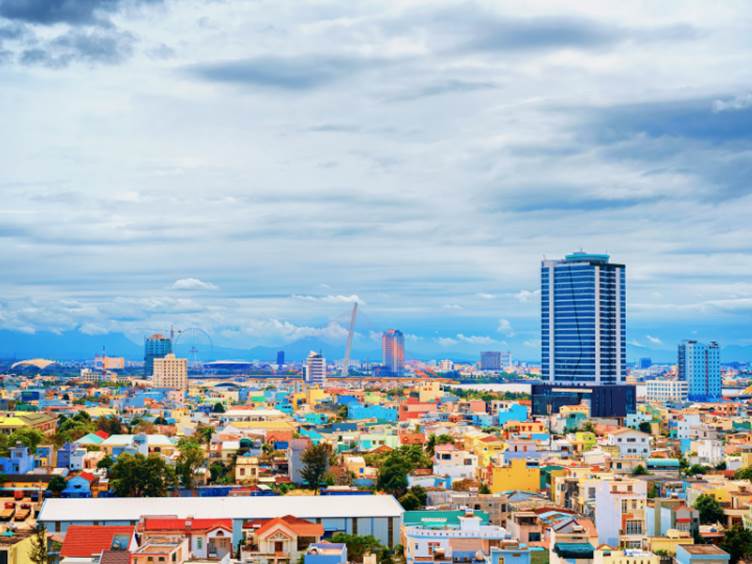
Vietnam remains a top-tier retirement destination for many Singaporeans, offering an incredible blend of culture and affordability. Beyond the low costs, Vietnam’s appeal in 2026 lies in its rapidly improving infrastructure and world-class healthcare facilities in urban centres. Whether enjoying Da Nang’s pristine beaches or Hanoi’s rich history, retirees can maintain a premium lifestyle that is cost-effective.
Monthly budget: You can live quite well in Ho Chi Minh City or Hanoi for S$1,520–2,030 a month. If you’re looking to stretch your dollar even further, consider moving just outside the city centre where these prices drop significantly.
Visa: Most long-term residents use renewable 90-day e-visas requiring periodic border exits. Individuals with local family or significant investment capital may access longer-term permits. Since regulations shift often, speaking with an immigration expert is highly recommended to ensure compliance with current laws.
5. Portugal: A European option worth considering
Portugal does not shout for attention the way some destinations do, but that is part of its appeal. It is a country of unhurried pleasures: sunlit coastlines, centuries-old towns, outstanding food and wine, and a warm welcome for those who choose to settle here. Lisbon and Porto offer vibrant, cosmopolitan city life with world-class restaurants and a thriving arts scene, while the Algarve draws those seeking a quieter pace along one of Europe’s most beautiful stretches of coastline.
Portugal’s healthcare system gives residents access to both public and private care, with private insurance available at costs well below those in most other developed nations. Furthermore, compared to the rest of Western Europe, the cost of living remains genuinely accessible.
Monthly budget: S$3,000 to S$5,500 for a couple, depending on location. Lisbon and Porto sit at the higher end; smaller towns and inland regions are considerably more affordable.
Visa: Singaporeans considering a move to Portugal have two main visa pathways. The Portugal D7 Visa requires proof of accommodation, sufficient savings, and a minimum monthly passive income of about S$1,370, which can come from pensions, rental income, or investments.
Alternatively, the Portugal Golden Visa Programme offers a five-year residence-by-investment option for non-EU nationals. Applicants must choose one qualifying investment route, with common options including a capital transfer of S$373,000 to support artistic production or preserve national cultural heritage (reduced to S$298,000 in low population density areas), or the creation of at least ten new jobs, lowered to eight if established in a low population density area.
A few things to consider before you decide
No two retirements look the same. Healthcare accessibility, proximity to family in Singapore, language practicalities, and preferred pace of life all matter just as much as monthly budgets. Speak with a qualified financial consultant and immigration specialist before making any decisions, particularly around how your CPF savings, investments, and insurance interact with a move abroad, and what tax obligations apply in your chosen destination.
The options for Singaporeans are genuinely exciting. Whether you are drawn to the familiarity of Johor Bahru or the warm Algarve coast, a well-planned retirement abroad can offer a quality of life that is very hard to match at home. Interested in learning more about retiring abroad? Feel free to schedule a complimentary session with me to discuss your roadmap for the future.
John Whittaker is an Authorised Representative of Global Financial Consultants Pte Ltd – No: WJE300421316 | MAS License No: FA100035-3
To learn more about how he might be able to help you, please contact John:
Phone Number: +65 8331 7103
Email: john.whittaker@admin.gfcadvice.com
LinkedIn: linkedin.com/in/john-whittaker-8bbab6138
General Information Only: The information on this site is of a general nature only. It does not take into account your individual financial situation, objectives or needs. You should consider your own financial position and requirements before making a decision.
*Please note that John Whittaker is not a tax agent or accountant and none of the content outlined here should be taken as personal advice. You should consult your tax agent and financial adviser to review your current personal finances and financial goals to consider whether this strategy is appropriate for you.